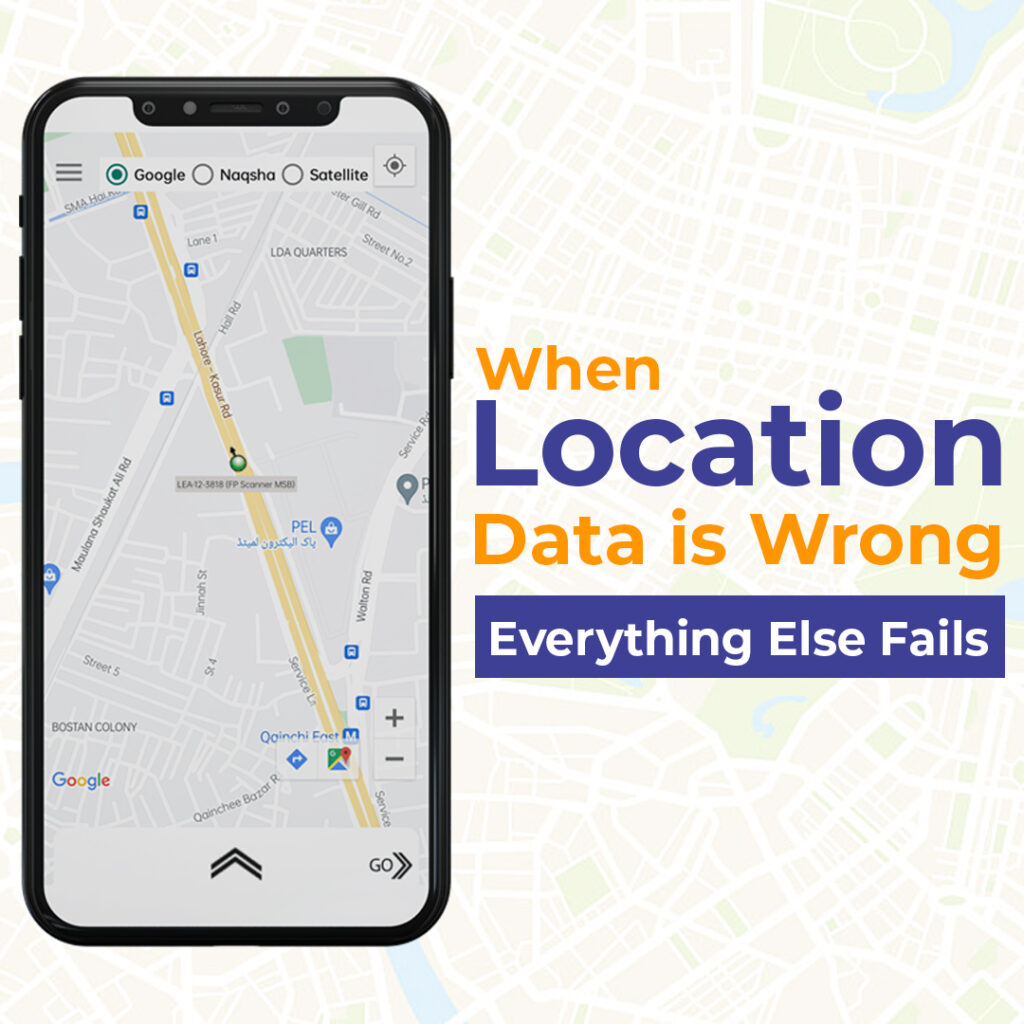
In today’s connected world, almost every operational decision starts with one question: “Where is it?”
When the answer to that question is wrong, delayed, or incomplete—everything that follows begins to fall apart.
From vehicle tracking and fleet management to logistics, security, and asset control, location data is the backbone of modern operations. If that backbone is weak, businesses don’t just lose visibility—they lose money, trust, and control.
The Hidden Cost of Inaccurate Location Data
Most businesses don’t immediately realize when location data is unreliable. The damage happens quietly:
Deliveries arrive late—even when drivers “followed the route”
Fuel costs rise without a clear explanation
Customers complain, but reports show “everything was normal”
Assets go missing, yet tracking history looks incomplete
Managers make decisions based on assumptions, not facts
The real issue isn’t poor performance—its bad data guiding good decisions.
Why Accurate Location Data Matters More Than Ever
Modern operations move fast. There’s no room for guesswork.
Accurate location data ensures:
Real-time visibility of vehicles, assets, and teams
Correct route planning, not outdated map assumptions
Reliable reports that actually reflect reality
Fast response during theft, breakdowns, or emergencies
When location data is precise, decisions become proactive instead of reactive.
Fleet & Logistics: Where Small Errors Become Big Losses
In fleet operations, even a minor location error can snowball:
A wrong position delays dispatch decisions
Poor GPS accuracy leads to inefficient routing
Missed geofence alerts allow unauthorized use
Incorrect trip logs damage customer trust
Over time, these “small issues” turn into:
Lost contracts
Rising operational costs
Driver disputes
Insurance and compliance problems
Fleet success depends on data you can trust.
Maps Matter More Than Devices
Many businesses focus only on the tracking device—but forget the map behind it.
Even the best GPS tracker fails if:
The map data is outdated
Offline coverage is weak
Roads, boundaries, or locations are inaccurately defined
That’s why GIS-backed mapping and verified digital data are critical. Good tracking isn’t just about dots moving—it’s about context, accuracy, and reliability.
Security, Compliance & Accountability Depend on Location Truth
When something goes wrong—an accident, theft, dispute, or audit—the first thing asked is:
“Where exactly was the vehicle or asset at that moment?”
If your location data is unclear:
Investigations slow down
Accountability becomes blurry
Trust breaks—internally and externally
Accurate location history protects not just assets, but reputations.
The Fix: Invest in Accuracy, Not Just Tracking
Reliable location data comes from:
High-quality GPS tracking systems
Strong GIS and mapping foundations
Real-time + offline data support
Clean, readable reports that reflect reality
When location data is right:
Operations run smoother
Costs stabilize
Clients trust your timelines
Managers make confident decisions
Final Thought
Tracking isn’t about knowing something—it’s about knowing the right thing.
Because when location data is wrong, everything else fails.
But when it’s accurate, everything starts to work.